
The short answer
You likely need a new AC if your system is aging, needs frequent repairs, or can't keep your home comfortable on hot South Bay afternoons. We inspect your home, ductwork, and electrical setup first, then lay out repair and replacement options so you can choose with clear information.
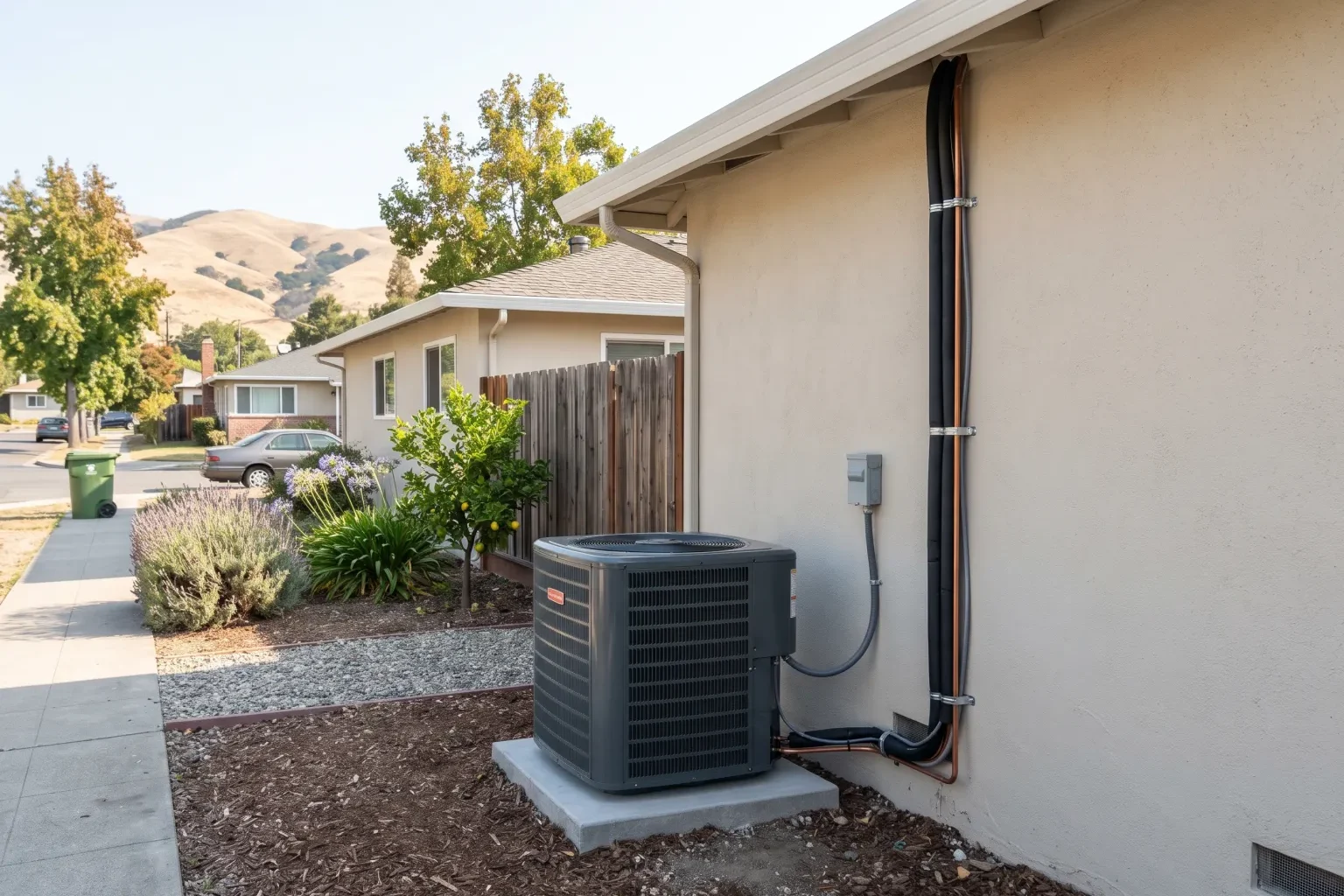
Summer heat in the South Bay can be uneven. Homes near the Bay often stay mild, while neighborhoods farther inland and toward the south end of the Santa Clara Valley run noticeably hotter. If your air conditioner is struggling, or your home has never had central cooling, a new system may be the right move. SwiftAir Conditioning Repair installs central air conditioners and heat pumps for homeowners in San Jose and surrounding cities. This page explains when replacement makes sense, what we look at before recommending anything, how repair compares to replacement, what drives the cost, and what to expect on installation day.
Signs It May Be Time for a New AC
Not every problem means you need a new system. Many issues are fixable. But some patterns suggest that repairs are no longer the best use of your money.
If you notice several of the signs below, it's worth having the system evaluated before the hottest part of summer, when breakdowns are more disruptive and scheduling is tighter.
- The system is older and repair calls are becoming more frequent
- Some rooms stay warm while others feel fine, even with the thermostat set low
- The unit runs almost constantly on hot days but never catches up
- Your electric bills have crept up without a change in how you use the AC
- The outdoor unit makes grinding, rattling, or squealing noises
- You see ice on the refrigerant lines or water pooling near the indoor unit
- Your system uses an older refrigerant that is getting harder and more expensive to service
- Your home has no central cooling and recent summers have become uncomfortable
What We Check Before Recommending a System
A new air conditioner only performs as well as the home it's installed in. Before we suggest a size or type of system, we look at the whole picture, not just the equipment.
This step matters because an oversized system cycles on and off too often and leaves the air feeling clammy, while an undersized one runs nonstop and still can't keep up. Leaky or undersized ducts can undermine even a brand-new unit.
- The size, layout, and number of stories in your home
- Insulation, window exposure, and which rooms get afternoon sun
- The condition, size, and sealing of your existing ductwork
- Your electrical panel and whether it can support the new equipment
- Where the outdoor unit can go, including clearance and noise considerations
- Your current furnace or air handler and whether it pairs well with new equipment
- Your comfort goals, such as quieter operation, better humidity control, or cooling for specific rooms
Repair vs. Replace: Your Options
We'll tell you plainly when a repair makes more sense than a replacement. A failed capacitor, a clogged drain line, or a dirty coil usually doesn't justify a new system. A failing compressor, a major refrigerant leak, or a system near the end of its useful life often does.
If replacement is the better path, you typically have a few choices. A standard central air conditioner replaces your existing outdoor unit and works with your current furnace. A heat pump provides both cooling and heating from one outdoor unit, which can make sense if your furnace is also getting old. Ductless mini-split systems are an option for homes without ducts, additions, converted garages, or rooms that never stay comfortable.
It's worth thinking ahead about heating. Under Bay Area Air District rules, natural gas furnaces manufactured from 2029 onward must meet a zero-NOx emission standard, which in practice points homeowners toward heat pumps when a furnace is replaced after that date. These rules don't require you to replace working equipment; they apply only when an existing furnace fails or is replaced. Still, if both your AC and furnace are aging, a heat pump may be worth considering now.
What Affects the Cost of AC Installation
Every home is different, so we provide a written quote after the in-home evaluation rather than a one-size-fits-all figure. These are the main factors that move the cost up or down.
- System type: central AC, heat pump, or ductless mini-split
- System capacity, based on your home's actual cooling needs
- Efficiency rating and features such as variable-speed operation
- Whether ductwork needs repair, sealing, modification, or full replacement
- Electrical upgrades, including panel capacity or a new dedicated circuit
- Whether your furnace or air handler is being replaced at the same time
- Access to the installation location, such as tight attics or crawl spaces
- Local permit requirements for your city
Rebates and Incentives
Incentives can help offset the cost of a heat pump, but they change often. Bay Area homeowners can check BayREN and their local clean energy provider for current heat pump and electrification incentives. Amounts and availability shift by funding cycle, so we confirm the current offer before including it in a quote.
One change to know about: the federal Energy Efficient Home Improvement Credit covered qualifying heat pumps placed in service before December 31, 2025. It is not available for new installations after that date.
How an Installation Visit Works
We aim to make the process predictable from the first conversation to the final walkthrough.
- Evaluation: A technician visits your home, inspects your current system, ductwork, and electrical setup, and asks about your comfort concerns.
- Options and quote: We explain your repair and replacement options in plain terms and give you a written quote. There's no pressure to decide on the spot.
- Scheduling and permits: Once you choose a system, we schedule the installation and handle the permits your city requires.
- Installation day: Our crew protects your floors, removes the old equipment, installs the new system, and makes any needed duct or electrical connections. Most standard replacements are completed in a day; larger projects may take longer.
- Testing: We check refrigerant charge, airflow, thermostat operation, and drainage to confirm the system runs correctly.
- Walkthrough: We show you how to use the thermostat, explain filter changes, and answer your questions before we leave.
AC Installation by city
- AC Installation in Santa ClaraLocal service & repairs
- AC Installation in MilpitasLocal service & repairs
- AC Installation in SunnyvaleLocal service & repairs
- AC Installation in FremontLocal service & repairs
- AC Installation in CampbellLocal service & repairs
- AC Installation in CupertinoLocal service & repairs
- AC Installation in Mountain ViewLocal service & repairs
- AC Installation in Los AltosLocal service & repairs
- AC Installation in SaratogaLocal service & repairs
- AC Installation in NewarkLocal service & repairs
- AC Installation in Monte SerenoLocal service & repairs
- AC Installation in Los GatosLocal service & repairs